
Water Outside Sliding Doors During Heavy Rain – Brisbane QLD
Design-stage guidance on threshold levels, surface water behaviour, and Brisbane storm conditions

This issue is almost always locked in at design stage
Water collecting outside sliding doors during heavy rain is rarely caused by the door itself and is rarely solved by retrofitting drainage after the fact.
In Brisbane, these issues are typically designed in — through decisions made about:
finished floor levels
external surface levels
threshold heights
and how surface water is expected to behave during storm events
Once slab heights, screeds, and door thresholds are set, the outcome is largely fixed.
This page is intended for design and planning stages, not emergency repairs.
What the problem looks like on site
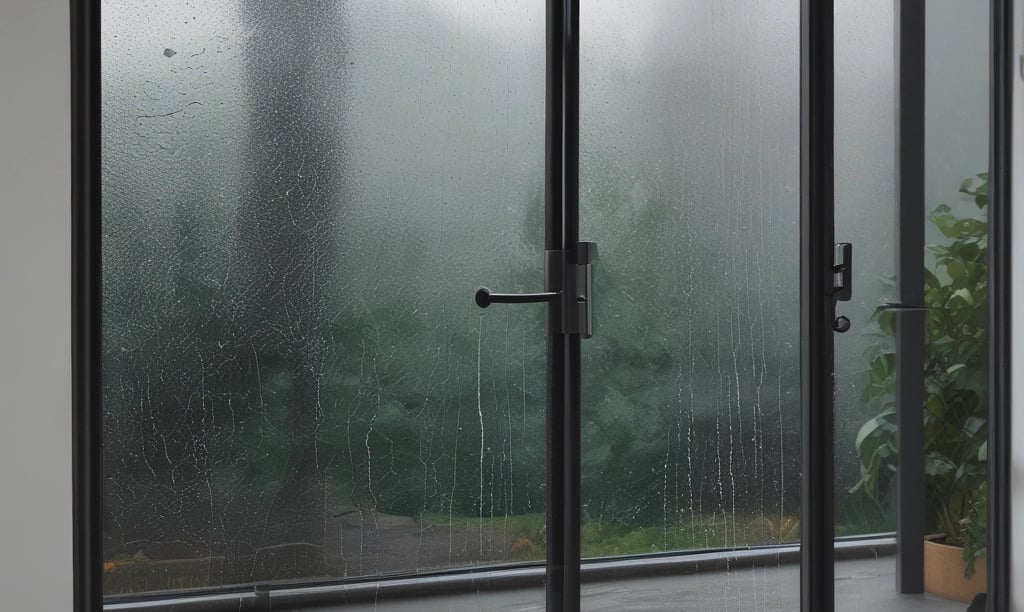
During short, intense Brisbane storm events, water builds up on patios, balconies, or external pavements and moves toward sliding door openings.
This commonly occurs:
at ground-floor sliding doors
at patio or alfresco interfaces
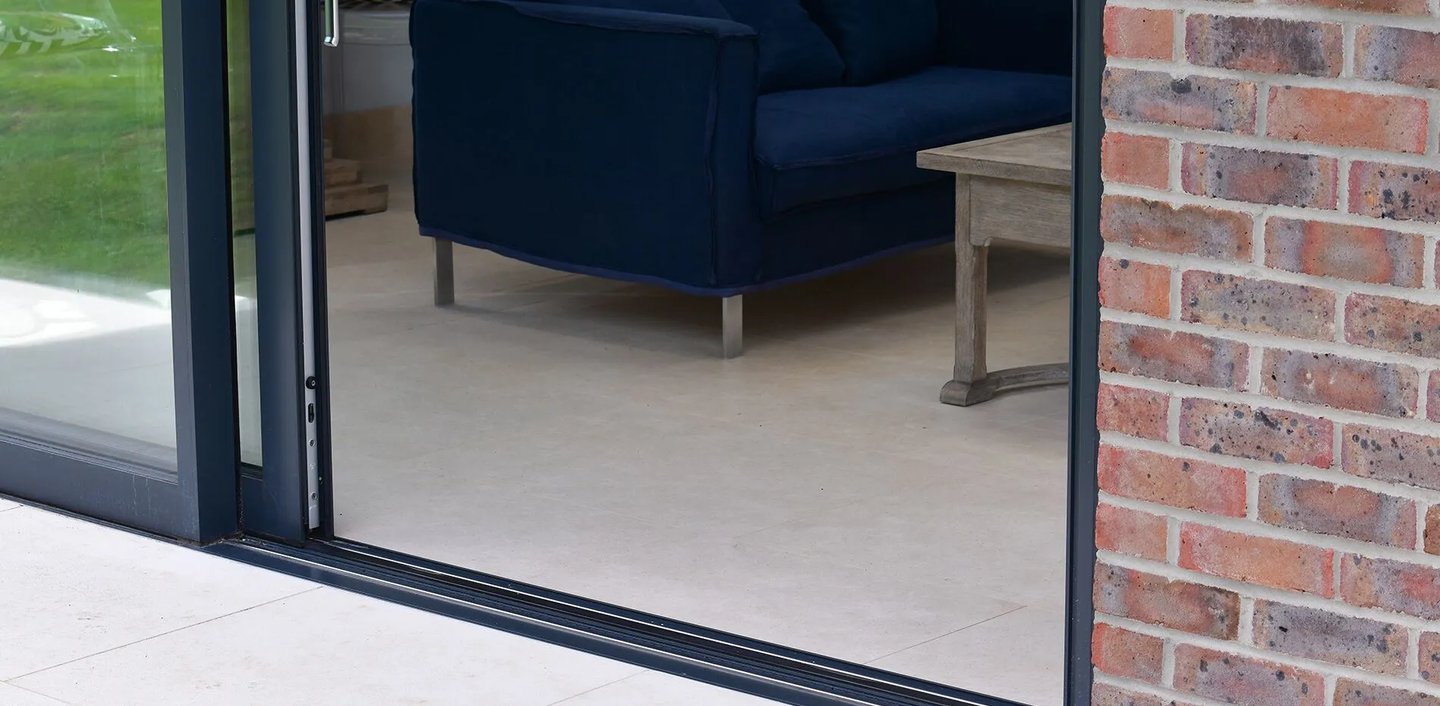
where near-flush or low thresholds are proposed
where external surface falls are minimal or constrained
The door becomes the lowest point — not because it failed, but because water was always going to end up there.
Why this keeps happening in Brisbane
Brisbane construction sits in a difficult middle ground:
high rainfall intensity
frequent wind-driven rain
strong architectural push for flush thresholds
Many external details are designed assuming:
vertical rainfall
short-duration ponding
ideal surface falls
In real storm events, water:
travels horizontally
accumulates faster than expected
follows surface levels, not design intent
When external surfaces are not deliberately graded away from openings, water behaviour becomes predictable — and unavoidable.
Threshold height, finished levels, and water behaviour
Sliding door performance is heavily influenced by the relationship between levels, not the door specification itself.
Key relationships that must be resolved early include:
internal finished floor level (FFL)
external finished surface level (EFL)
door sill or track height
available fall across external surfaces
When aesthetic goals drive thresholds lower without compensating external level design, the margin for error disappears.
This is not a product issue — it is a level coordination issue.
NCC intent and common misinterpretation
The NCC does not expect doors to manage uncontrolled surface water.
Performance intent assumes:
surface water is directed away from the building
water is managed externally before reaching openings
detailing considers realistic rainfall conditions
Problems arise when:
aesthetic intent overrides water behaviour
thresholds are reduced without adjusting external surfaces
drainage is relied upon to compensate for poor level design
Understanding intent — rather than treating thresholds as isolated components — is critical at design stage.
Wind-driven rain and door ratings
In Brisbane storm events, rain rarely falls vertically.
Wind-driven rain:
increases effective water volume at thresholds
drives water laterally across surfaces
challenges assumptions based on calm-weather testing
Door ratings do not compensate for poor external detailing.
If surface water is allowed to build up at the threshold, no door system can reliably prevent water from reaching the interface.
Why adding drains later rarely fixes the issue
Retrofitting drainage often addresses symptoms, not causes.
Common outcomes include:
water still collecting faster than it can disperse
drains sitting below surrounding surface levels
thresholds remaining the lowest point
Unless surface levels and flow paths are corrected, water behaviour remains unchanged.
When design-stage review adds the most value
Independent review is most effective:
before slab or screed levels are finalised
when flush or near-flush thresholds are proposed
during coordination between architectural, waterproofing, and door details
when Brisbane rainfall conditions need to be realistically considered
This is about preventing predictable outcomes, not responding to failures.
How Queensland Water Advisory assists
Queensland Water Advisory provides independent guidance on water behaviour in and around buildings under Queensland conditions.
This includes:
reviewing threshold and surface level relationships
identifying where detailing increases risk
clarifying design-stage assumptions about water behaviour
assisting teams to resolve issues before construction
No products are supplied.
No installation or plumbing work is undertaken.
No emergency or retrofit services are provided.
The role is advisory only — focused on understanding and preventing issues early.
Optional next step
If you are planning sliding door thresholds on a Brisbane project and want clarification on how surface water is likely to behave, you can request input below.
This is intended for Queensland projects at planning or design stage.
Contacts
info@queenslandwateradvisory.com.au