
Zero-Threshold Doorways (Flush Thresholds) – Brisbane QLD
Design-stage guidance on managing water at flush thresholds under Brisbane conditions
Zero-threshold performance is determined at design stage
Zero-threshold and flush threshold doorways are now common in Brisbane residential and multi-residential projects.
They are driven by:
accessibility intent
architectural preference
seamless indoor–outdoor transitions
However, once threshold heights, slab levels, and external surface falls are set, water behaviour is effectively locked in.
Where zero-threshold doorways experience water issues, the cause is almost always design-stage coordination, not door performance and not a lack of drainage after the fact.
This page is intended for planning and design stages, not rectification or emergency repair.
What zero-threshold water issues look like on site
In Brisbane storm events, water builds externally and reaches flush thresholds with little margin for error.
Typical scenarios include:
patios or balconies with minimal fall away from the opening
external finishes set close to internal finished floor levels
water collecting faster than it can disperse
horizontal, wind-driven rain reaching the threshold
Once water reaches a zero-threshold interface, there is very limited capacity for tolerance.
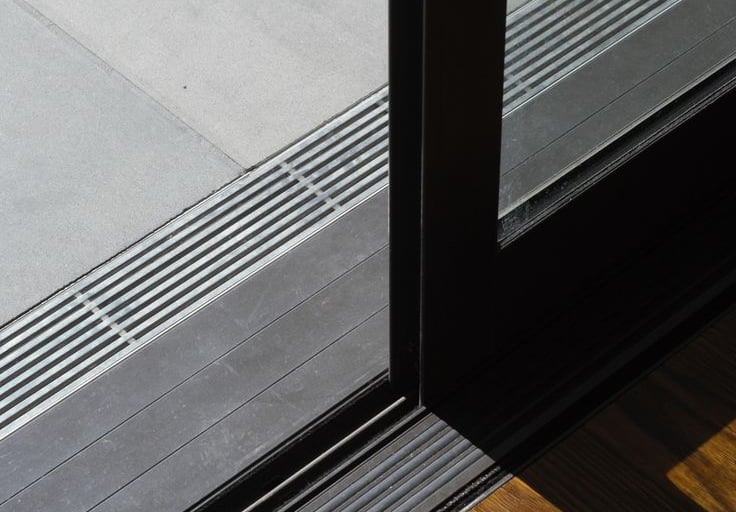
Why zero-thresholds are high-risk in Brisbane
Brisbane conditions place unique pressure on flush threshold designs:
short-duration, high-intensity rainfall
frequent wind-driven rain
high reliance on external living spaces
architectural preference for level transitions
Zero-threshold designs reduce the vertical separation that traditionally allowed water to dissipate safely.
Without deliberate coordination of external surface levels and flow paths, water behaves predictably — it accumulates at the opening.
Threshold height, finished levels, and water behaviour
Zero-threshold performance is governed by relationships, not components.
Key relationships that must be resolved early include:
internal finished floor level (FFL)
external finished surface level (EFL)
available fall across external surfaces
door track or sill height relative to water paths
When these relationships are compressed to achieve a flush appearance, the system has no tolerance for surface water accumulation.
This is not a door issue.
It is a level coordination issue.
NCC intent and common misalignment
The NCC does not assume that water will be allowed to accumulate at building openings.
Performance intent relies on:
surface water being managed externally
water being directed away from the building envelope
detailing accounting for realistic rainfall conditions
Issues arise when:
aesthetic intent overrides water behaviour
zero thresholds are introduced without adjusting external levels
interception is relied upon to compensate for insufficient falls
Understanding intent, rather than isolating individual details, is critical when flush thresholds are proposed.
Wind-driven rain and zero-threshold exposure
In Brisbane storm events, rainfall rarely behaves as vertical load only.
Wind-driven rain:
increases effective water volume at the threshold
pushes water horizontally across surfaces
reduces the effectiveness of assumptions based on calm conditions
Flush thresholds significantly reduce the buffer against this behaviour.
Door ratings alone do not resolve this risk if surface water is allowed to build up externally.
Why retrofitting drainage rarely resolves zero-threshold issues
Once thresholds are constructed flush and surrounding surfaces are fixed:
surface water paths are difficult to change
interception capacity is limited by levels
water continues to accumulate at the opening
Retrofitted drainage often treats symptoms without correcting the underlying design constraint.
The most reliable outcomes occur when water behaviour is addressed before construction, not after.
When design-stage review is most valuable
Independent review adds the most value:
before slab, screed, and threshold levels are finalised
when zero or near-zero thresholds are proposed
during coordination between architectural, waterproofing, and door details
when Brisbane storm exposure needs realistic consideration
This is about avoiding predictable outcomes — not assigning fault later.
How Queensland Water Advisory assists
Queensland Water Advisory provides independent guidance on water behaviour at critical interfaces under Queensland conditions.
This includes:
reviewing zero-threshold level relationships
identifying where detailing increases water risk
clarifying design assumptions before construction
assisting teams to resolve conflicts early
No products are supplied.
No installation or plumbing work is undertaken.
No emergency or retrofit services are provided.
The role is advisory only — focused on design-stage clarity.
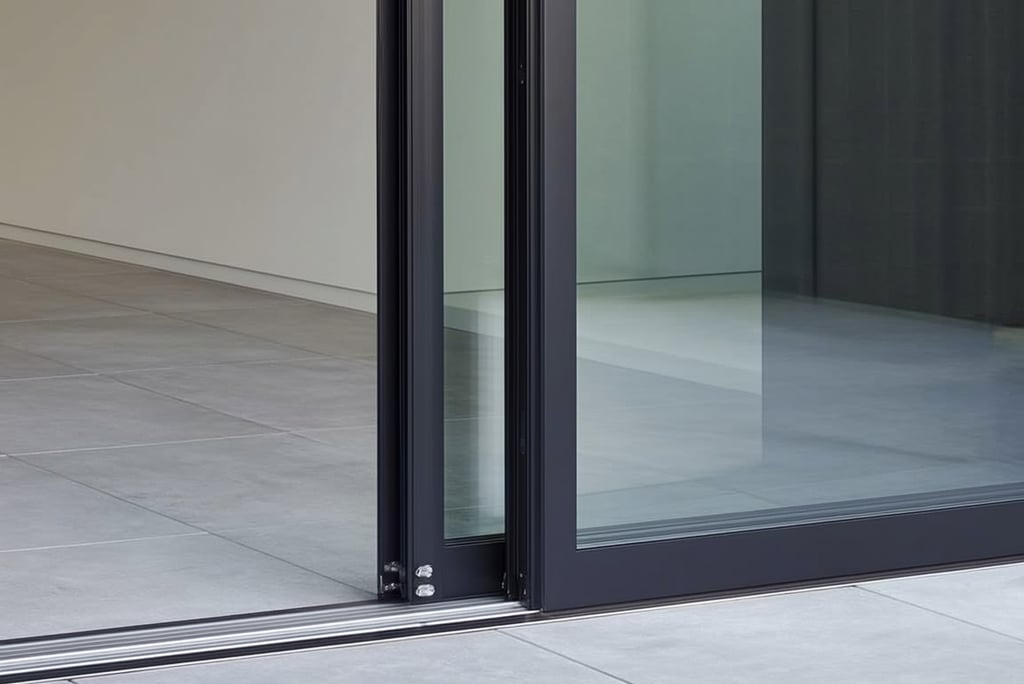
Optional next step
If you are planning a zero-threshold or flush threshold doorway on a Brisbane project and want clarification on how water is likely to behave, you may request input below.
This is intended for Queensland projects at planning or design stage only.
Contacts
info@queenslandwateradvisory.com.au